
More About Kai-Zen™
Blog

Your Family Knows What You Own. Do They Know What to Do With It?
Your spouse knows you own the business. They know about the investment accounts and the properties.
But do they know who to call if you can't make financial decisions tomorrow?
Would they know which accounts are accessible, which bills need attention, or where to find the documents that explain what happens next?
For many families, one person handles most of the financial decisions. Everyone else trusts that things are taken care of.
That works until the person handling everything is no longer available.

When Everything Depends on One Person

Consider a business owner who has spent 25 years building a successful company.
The business is profitable. There are investments, real estate holdings, and retirement accounts. The family is financially comfortable.
But the owner handles nearly every major financial decision.
They know which accounts hold the company's operating cash, which properties have outstanding loans, and when important payments are due.
Their spouse may know the family is doing well financially without knowing how those arrangements work.
Now imagine that the business owner becomes seriously ill and can no longer manage those responsibilities.
Who has the authority to make business decisions? Who handles the financial obligations? Does the family have access to money for immediate expenses?
The assets are still there.
But without the right preparation, the people who depend on them may have difficulty accessing or managing them when they need to.
Having an Estate Plan Doesn't Answer Every Question
A will or trust can establish important instructions for managing and transferring assets.
But when was the last time those documents were reviewed?
Perhaps your estate plan was created ten years ago.
Since then, your business has grown, you've purchased additional properties, and your children have become adults.
The documents may still exist, but do they reflect your family's current circumstances?
And do the people named in those documents understand their responsibilities?
Beneficiary designations deserve attention, too. Retirement accounts and life insurance policies may transfer according to their beneficiary designations rather than the instructions in a will.
An outdated designation can create an outcome you never intended.
Your estate planning attorney can help determine whether your legal documents and designated decision-makers remain appropriate. Your financial advisor can help review your accounts, insurance coverage, and other financial arrangements.
The important thing is making sure the different pieces of your plan work together.
Your Family Needs More Than a List of Assets
For executives and business owners, financial responsibilities can extend well beyond personal bank and investment accounts.
A business owner may have ownership agreements, outstanding business loans, or personal guarantees that require attention.
An executive may have stock options, deferred compensation, or employer-sponsored benefits with specific deadlines and distribution rules.
A family with several properties may need someone who understands the rental income, outstanding mortgages, and ongoing expenses.
Your family doesn't need to become an expert in every financial arrangement.
But the appropriate people should know where to find important information and which professionals can help them.
That might include keeping an updated record of financial accounts, insurance policies, business agreements, and professional contacts in a secure location.
It also means making sure the people you've chosen to handle your affairs know about their responsibilities and have the appropriate legal authority when needed.
Have the Conversation Before Your Family Needs It
Most people don't enjoy talking about what happens if they become seriously ill or pass away.
It's easier to assume there will be time to address those questions later.
But preparing your family doesn't require one difficult conversation about everything.
Start with the person who would handle your financial affairs.
Do they know where your important documents are stored?
Do they know whom to contact?
Have you reviewed your estate plan and beneficiary designations recently?
If you own a business, do you have a clear plan for who would step in if you could no longer manage it?
These conversations may not be comfortable, but they can spare your family from having to make important financial decisions without the information they need.
Think about the person who would be responsible for handling your financial affairs if you couldn't.
Would they know where to start?
If the answer is no, that's a conversation worth having now.
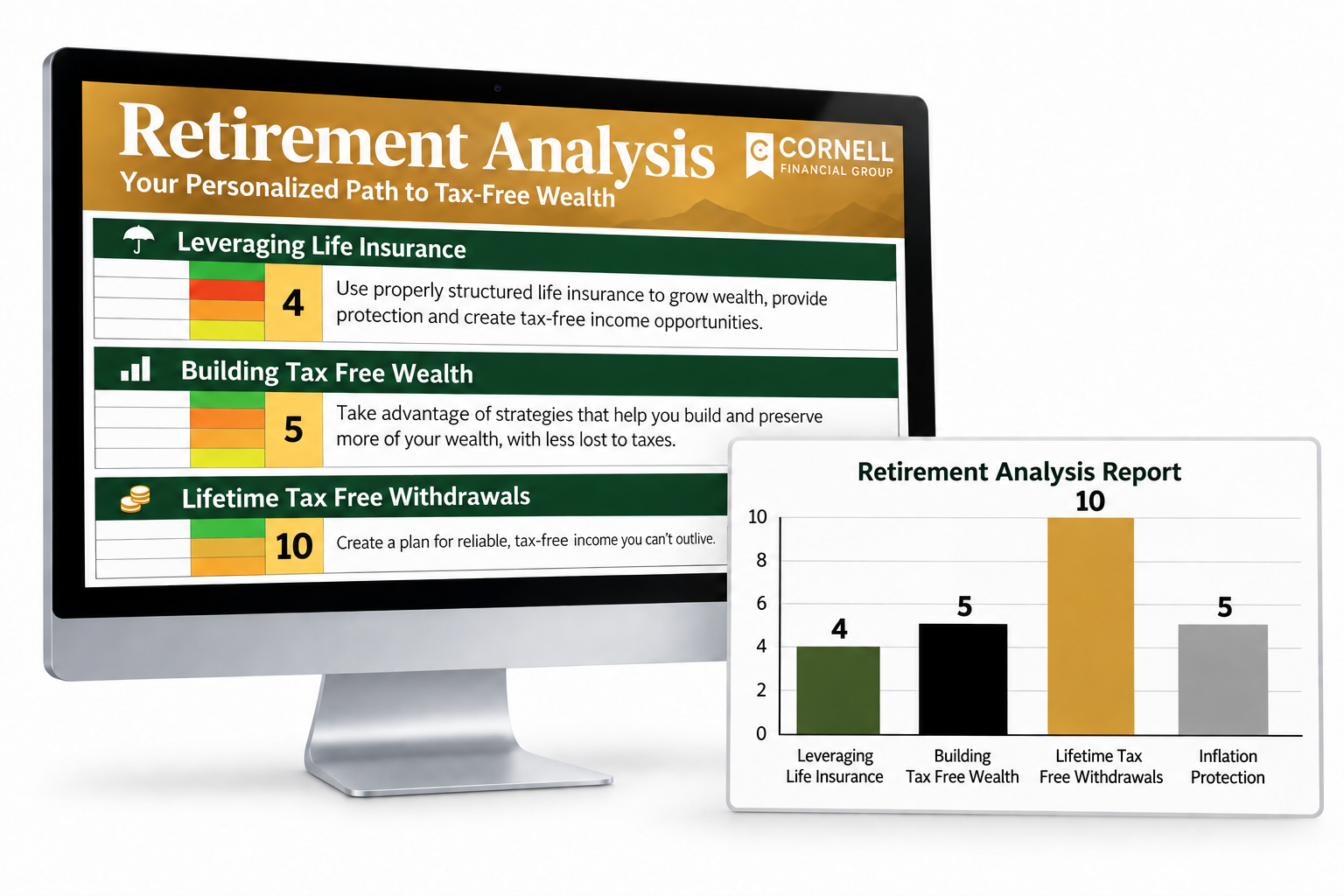
Schedule a Retirement Analysis review with Cornell Financial Group.

Ancient Biblical Mysteries That Apply to Your Life TODAY | TBN
-Jonathan Cahn
In “Ancient Biblical Mysteries That Apply to Your Life TODAY,” Jonathan Cahn talks about how the Bible contains ancient mysteries and spiritual truths that are still relevant to our lives today. He explains that the events, symbols, and teachings found in Scripture are not just stories from the past but also reveal important lessons about our relationship with God, our purpose, and the choices we make every day. He encourages us to look deeper into God's Word and recognize how biblical principles can help us understand the challenges we face in our personal lives and in the world around us.
What really stands out is the reminder that God's Word is just as relevant today as it was thousands of years ago. Jonathan Cahn encourages us to seek God's wisdom, recognize His presence in our daily lives, and allow His teachings to guide our decisions. Instead of being distracted by the pressures and uncertainties of the world, we are reminded to strengthen our faith, trust God's promises, and live according to His purpose. The message encourages us to discover the deeper meaning of Scripture and apply what we learn to our everyday lives so that we can grow closer to God.

Creating Tax Free Wealth For Business Owners
Kai-Zen was first introduced in 2012 by NIW. The underlying financial approach has been utilized by wealthy individuals and estates (typically $10M and over) since the 1960s. Kai-Zen is a new variation on this approach - allowing highly compensated individuals like yourself to participate in this type of leveraging for the first time.
Learn More About Kai-Zen™
Take Comfort in Understanding Your Strategy!
No one knows what will happen in the future but looking at the past uncovers some common patterns. Stressing our designs through some of the harshest economic conditions to date allows us to implement a strategy to help protect against potential future failures and optimizes our chances for a more successful outcome.
"Let us not become weary in doing good, for at the proper time we will reap a harvest if we do not give up."
- Galatians 6:9 (NIV)
Home
Our Story
Kai-Zen™
Resources Center
Unlock the path to tax-free wealth and watch your business flourish like never before.


An Independent Licensed Agent Representing NIW Companies, Inc. Creators of The Kai-Zen Plan
Cornell Financial Group © Copyright 2026 | All Rights Reserved